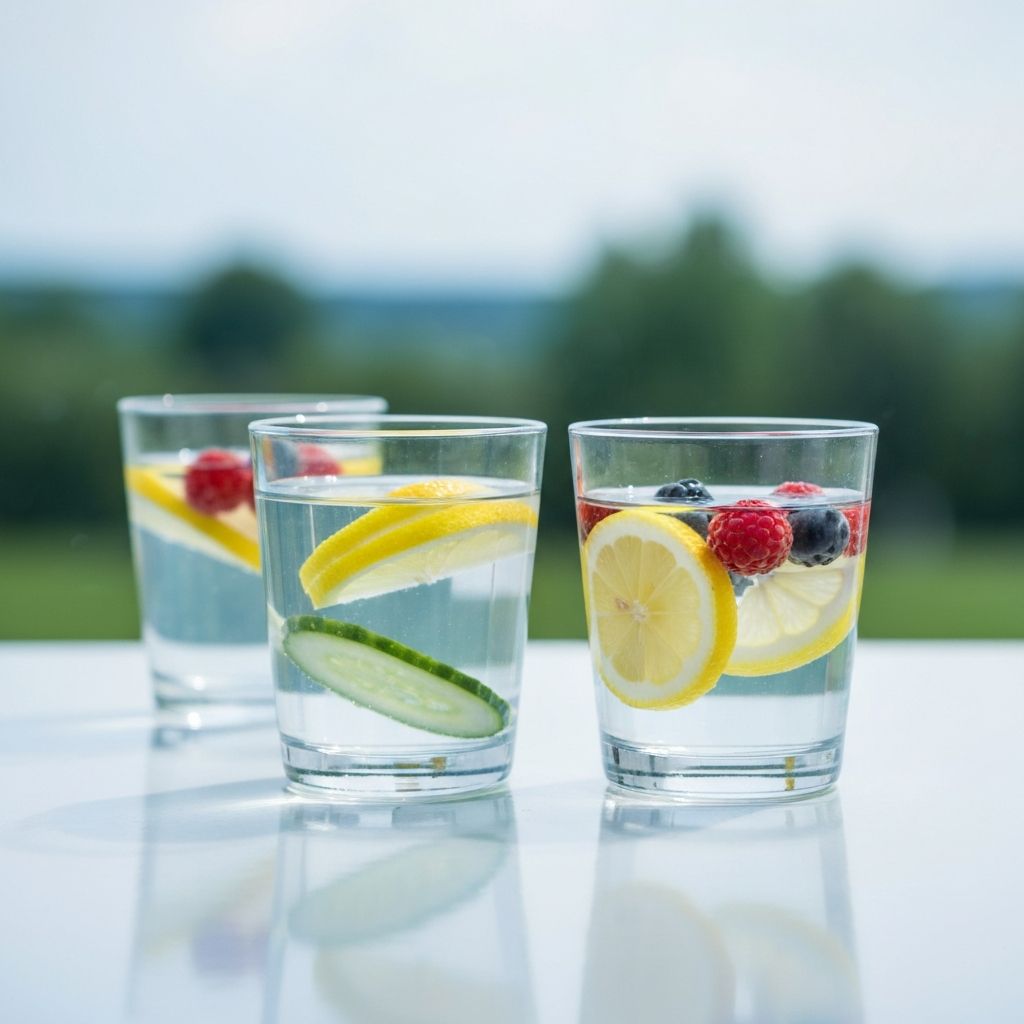
The Role of Hydration in Men's Health

Water is fundamental to human physiology and survival. It comprises approximately 60% of adult body weight and participates in virtually every biological process—from nutrient transport and temperature regulation to cognitive function and physical performance.

Hydration and water

Physiological Functions of Water

Water serves numerous critical functions throughout the body, supporting optimal health and physiological performance at every moment.

Nutrient Transport

Water is the medium through which nutrients are absorbed in the digestive tract and transported via the bloodstream to cells throughout the body. Without adequate hydration, nutrient delivery is compromised.

Temperature Regulation

Water has high heat capacity and enables thermoregulation through perspiration. Adequate hydration supports the body's ability to maintain stable core temperature during rest and physical activity.

Joint Lubrication

Synovial fluid, which lubricates joints and enables smooth movement, has significant water content. Dehydration reduces joint lubrication and may increase injury risk during physical activity.

Cognitive Function

The brain is approximately 75% water. Even mild dehydration impairs concentration, memory, and mental performance. Optimal hydration supports mental clarity and focus throughout the day.

Metabolic Processes

Water is essential for energy production, waste elimination, and countless enzymatic reactions. Dehydration slows metabolism and impairs cellular function.

Waste Elimination

The kidneys filter metabolic waste products and toxins through urine. Adequate water intake supports kidney function and efficient waste removal from the body.

Hydration and Physical Performance

Water availability directly impacts physical performance and athletic capability. Dehydration, even at levels as mild as 2% of body weight loss, can significantly impair performance, endurance, and recovery.

Effects of dehydration on physical performance:

  • Reduced muscular endurance and strength capacity
  • Decreased cardiovascular efficiency and increased heart rate at given exertion levels
  • Impaired thermoregulation, leading to increased core temperature
  • Reduced blood plasma volume, affecting nutrient and oxygen transport
  • Slowed glycogen depletion and altered energy substrate utilization
  • Delayed recovery and increased post-exercise soreness

Hydration strategies for athletic activity: Individuals engaged in exercise should begin activity well-hydrated and maintain fluid intake during extended or intense physical activity. Post-exercise rehydration with water and electrolyte-containing beverages supports recovery.

Active lifestyle and hydration

Dehydration: Symptoms and Risk Factors

Dehydration Level Symptoms and Effects Risk Factors
Mild (2-4%) Thirst, reduced urination, dry mouth, mild fatigue, reduced cognitive performance Busy schedules, outdoor heat exposure, physical activity, inadequate fluid awareness
Moderate (5-8%) Dizziness, increased heart rate, difficulty concentrating, reduced strength and endurance Prolonged physical activity, hot environments, reduced fluid access, illness with fluid loss
Severe (>10%) Confusion, rapid breathing, muscle cramps, reduced urine output, extreme fatigue Extreme heat exposure, intense physical activity without fluid replacement, illness, heat stroke risk

Individual Hydration Needs and Assessment

While general guidelines suggest approximately 8-10 glasses (2-3 liters) of water daily for adults, individual hydration needs vary significantly based on multiple factors.

Factors affecting hydration requirements:

  • Climate and Environment: Hot, dry climates increase water loss through perspiration. Cold environments may reduce thirst sensation despite ongoing fluid losses.
  • Activity Level: Sedentary individuals require less water than those engaged in regular physical activity. Intense exercise increases fluid needs substantially.
  • Diet: Foods with high water content (fruits, vegetables) contribute to total fluid intake. High sodium or protein intake may increase water needs.
  • Age and Metabolism: Younger individuals typically have higher metabolic rates and may require more water. Older adults may experience reduced thirst sensation.
  • Health Status: Illness, fever, gastrointestinal disturbances, and certain medications affect hydration status and requirements.
  • Alcohol and Caffeine: These substances have mild diuretic effects and may increase fluid losses, increasing water intake needs.

Urine color as a hydration indicator: Clear to pale yellow urine typically indicates adequate hydration. Dark yellow or amber urine may suggest dehydration and indicate need for increased fluid intake.

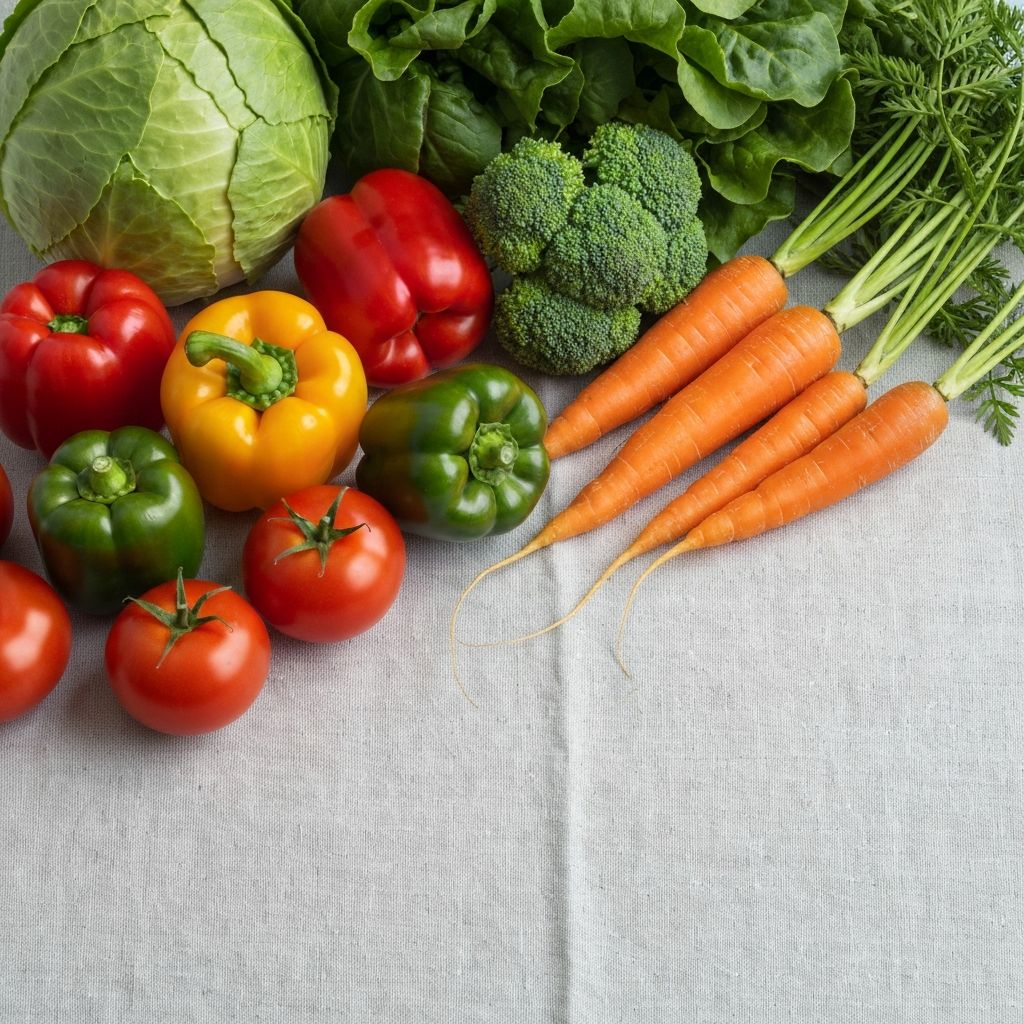
Hydration-rich foods

Hydration Through Food and Beverages

While pure water is the optimal hydration source, a significant portion of daily fluid intake typically comes from food and other beverages.

Water-Rich Foods

Fruits and vegetables contain substantial water content: watermelon (92%), cucumbers (96%), lettuce (95%), tomatoes (95%), strawberries (91%), and oranges (87%). These foods contribute to daily hydration while providing vitamins and minerals.

Milk and Dairy

Milk contains approximately 87% water and provides protein, calcium, and vitamins. Dairy-based beverages effectively contribute to hydration while offering nutritional benefits.

Tea and Coffee

While caffeinated beverages have mild diuretic effects, they contribute to overall hydration. The fluid content exceeds any diuretic effect in moderate consumption.

Broths and Soups

Bone broths, vegetable broths, and soups provide hydration alongside electrolytes and minerals. They can be particularly beneficial during illness or recovery periods.

Electrolyte Beverages

During or after intense physical activity, beverages containing electrolytes (sodium, potassium) and carbohydrates may enhance rehydration and fluid retention compared to water alone.

Coconut Water

Coconut water contains natural electrolytes and is approximately 94% water. It can serve as a natural hydration option with mineral content.

Practical Hydration Strategies

Important Context and Limitations

This information is provided for educational purposes to support understanding of hydration's role in health and physical performance. It is not medical advice.

  • Individual hydration needs vary based on multiple factors and cannot be generalized universally.
  • This resource does not diagnose or treat dehydration or electrolyte imbalances.
  • Individuals with certain medical conditions, heart disease, or kidney disease should consult healthcare professionals regarding hydration guidelines.
  • Excessive water consumption (hyponatremia) is rare but can occur in extreme endurance activities and may require medical attention.