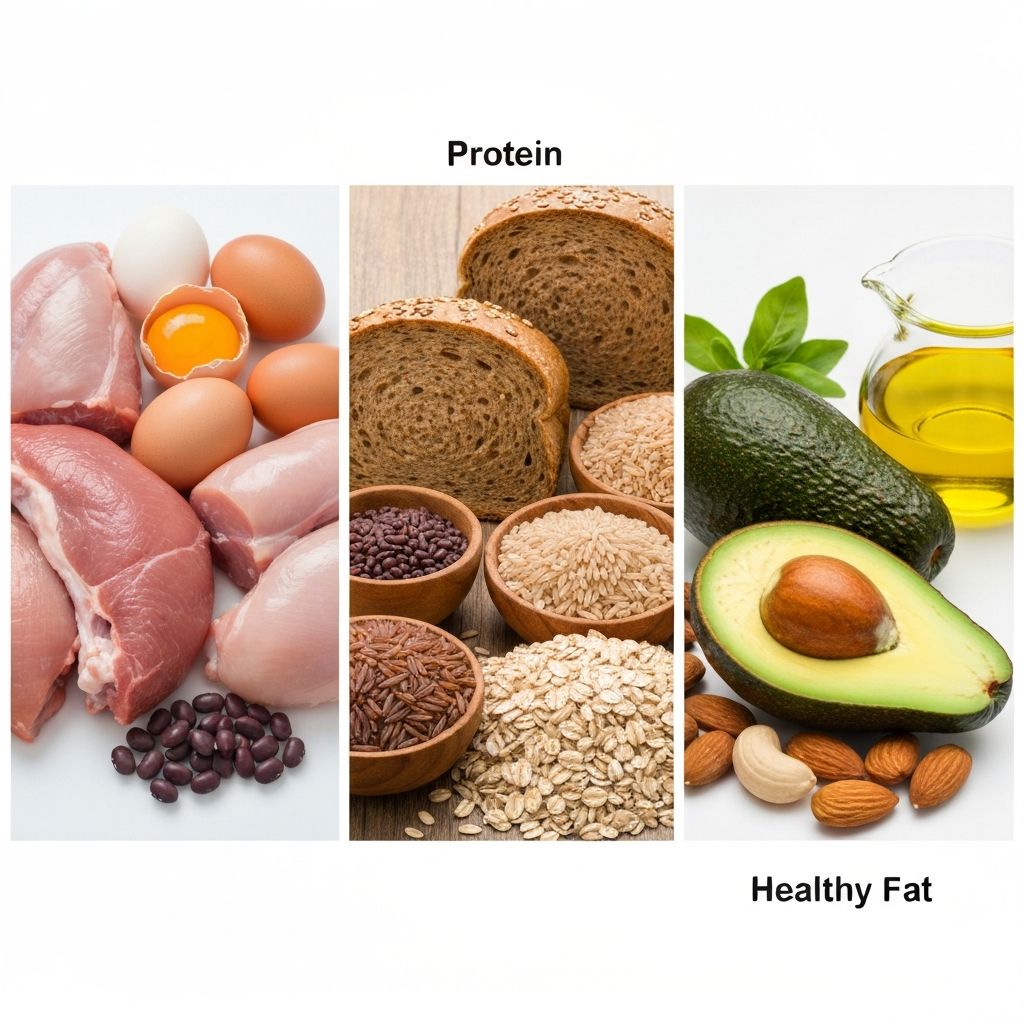
Understanding Macronutrients: The Building Blocks of Nutrition

Macronutrients are the primary nutrients required in significant quantities to support energy production, tissue repair, and essential physiological functions. This guide explores proteins, carbohydrates, and fats in detail.

Macronutrient sources

Proteins: The Cornerstone of Cellular Structure

Proteins are complex organic compounds composed of amino acids. Of the 20 amino acids, nine are considered essential—your body cannot synthesize them and must obtain them through dietary sources. Complete proteins contain all nine essential amino acids; incomplete proteins lack one or more.

Functions of protein in the body:

  • Building and repairing muscles, bones, and connective tissues
  • Producing enzymes that facilitate biochemical reactions
  • Manufacturing hormones that regulate bodily processes
  • Supporting antibody production for immune function
  • Transporting oxygen and nutrients throughout the body
  • Maintaining optimal pH balance in tissues and blood

Protein recommendations: General guidance suggests 0.8 grams of protein per kilogram of body weight daily for sedentary adults. Individuals engaged in resistance training or endurance activities may require higher intake to support muscle adaptation and recovery.


Active lifestyle

Complete and Incomplete Proteins

Understanding protein completeness helps optimize dietary choices for comprehensive amino acid intake.

Complete Proteins

Contain all 9 essential amino acids

Animal sources: Eggs, poultry, fish, beef, dairy products

Plant sources: Quinoa, soy products, hemp seeds, buckwheat

Incomplete Proteins

Lack one or more essential amino acids

Sources: Legumes, nuts, seeds, grains, vegetables

Note: Combining incomplete proteins throughout the day ensures adequate amino acid intake.

Carbohydrates: Fuel for Energy and Brain Function

Carbohydrates are organic compounds composed of carbon, hydrogen, and oxygen. They are classified into simple carbohydrates (sugars) and complex carbohydrates (starches and fiber). Carbohydrates are the body's preferred energy source and are essential for optimal brain, nervous system, and muscle function.

Key roles of carbohydrates:

  • Providing rapid energy through glucose (blood sugar)
  • Supporting sustained energy release when consumed as complex carbohydrates
  • Fueling the brain, which uses approximately 20% of the body's glucose supply
  • Supporting athletic performance and physical recovery
  • Promoting digestive health through fiber content

Complex carbohydrates vs. simple sugars: Complex carbohydrates—such as whole grains, legumes, and vegetables—release energy more gradually, providing stable blood sugar levels and sustained satiety. Refined sugars and simple carbohydrates cause rapid spikes and subsequent crashes in blood sugar.

Whole grains and legumes

Dietary Fats: Essential and Misunderstood

Fats, or lipids, are a crucial macronutrient with numerous essential functions. Despite historical misconceptions, healthy fats are vital for optimal health and should be incorporated into a balanced diet.

Fat Type General Characteristics Food Sources Health Considerations
Monounsaturated Fats Liquid at room temperature; contain one unsaturated bond Olive oil, avocados, almonds, peanuts Support heart health; reduce inflammatory markers
Polyunsaturated Fats Liquid at room temperature; contain multiple unsaturated bonds Fatty fish, walnuts, flaxseeds, sunflower oil Include omega-3 and omega-6 fatty acids; support brain and heart health
Saturated Fats Solid at room temperature; fully saturated with hydrogen atoms Red meat, whole dairy, coconut oil, butter Acceptable in moderation; individual tolerance varies
Trans Fats Artificially created through hydrogenation; rare in nature Processed baked goods, margarine, fried foods Should be minimized or avoided; associated with negative health outcomes

Functions of Dietary Fat in the Body

Nutrient Absorption

Fat-soluble vitamins (A, D, E, K) require dietary fat for absorption and transport throughout the body. Without adequate fat intake, the body cannot efficiently utilize these essential vitamins.

Hormone Production

Cholesterol and other lipids serve as precursors for steroid hormones including testosterone, cortisol, and estrogen. Adequate fat intake supports healthy hormone balance.

Brain Health

The brain is approximately 60% fat by dry weight. Omega-3 fatty acids (EPA and DHA) are particularly important for cognitive function, memory, and mental health throughout life.

Cell Membrane Structure

Phospholipids are a primary component of cell membranes. Adequate fat intake ensures proper cellular structure and function throughout the body.

Anti-inflammatory Support

Certain fats, particularly omega-3 polyunsaturated fats, have anti-inflammatory properties that support overall wellness and may help manage chronic inflammatory responses.

Energy Storage

Fats are the body's most efficient energy storage form, providing 9 calories per gram compared to 4 calories per gram from proteins and carbohydrates.

Macronutrient Balance and Individual Variation

The optimal macronutrient ratio varies significantly based on individual goals, activity level, metabolism, and lifestyle factors. No single ratio is universally ideal for all people. Some general frameworks exist:

Important Context and Limitations

This information is provided for educational purposes to help you understand basic nutritional science. It is not personalized medical or dietary advice.

  • Individual macronutrient requirements vary based on age, sex, activity level, and metabolism.
  • This resource does not replace consultation with qualified healthcare professionals or registered dietitians.
  • Significant dietary changes should be discussed with appropriate professionals.